

Europe has reached a point where digital payments are part of the everyday behavior of the majority. Users are rapidly adopting mobile apps, digital wallets, and alternative payment methods, while competition between platforms is clearly intensifying. In such a landscape, it is not just the number of features that matters, but each solution’s ability to gain consumer trust within a complex and fragmented ecosystem.
What does “dominance” mean in the European payments ecosystem?
Dominance in the European market does not simply mean popularity. It means interoperability, cross-border presence, compliance with EU regulations, low costs, and advanced security. A competitive digital wallet must work seamlessly across different countries, each with its own habits, banks, and legislation. Only platforms that successfully combine technology with trust can aspire to leadership status in 2025.
Main candidates for the title of dominant wallet in 2025
There are several major players on the market that have consolidated their positions and continue to expand. Each follows its own strategic direction and brings distinct technological strengths.
PayPal — the veteran of the ecosystem
PayPal remains a benchmark in online payments thanks to its global network, transaction simplicity, and strong brand recognition. However, its pace of innovation is slower compared to emerging fintechs, and its costs can be a barrier for users seeking more modern and affordable solutions.
Revolut — the expanding all-in-one ecosystem
Revolut offers a comprehensive digital wallet that combines banking, investments, insurance, and instant payments within a single platform. In Europe, its user base continues to grow steadily due to the simplicity and transparency of its services.
Key advantages supporting this popularity include:
- fast transfers and significantly lower fees compared to traditional banks;
- detailed budgeting tools and real-time financial analytics;
- multi-currency support optimized for mobility and international purchases;
- high security standards and robust anti-fraud protection systems.
In addition, Revolut integrates easily with numerous digital services, including increasingly popular entertainment platforms such as Swiss casinos for Romanian players, adapted to modern payment methods. Through these features, Revolut remains one of the most competitive players in the European market.
Apple Pay & Google Wallet — hardware + software dominance
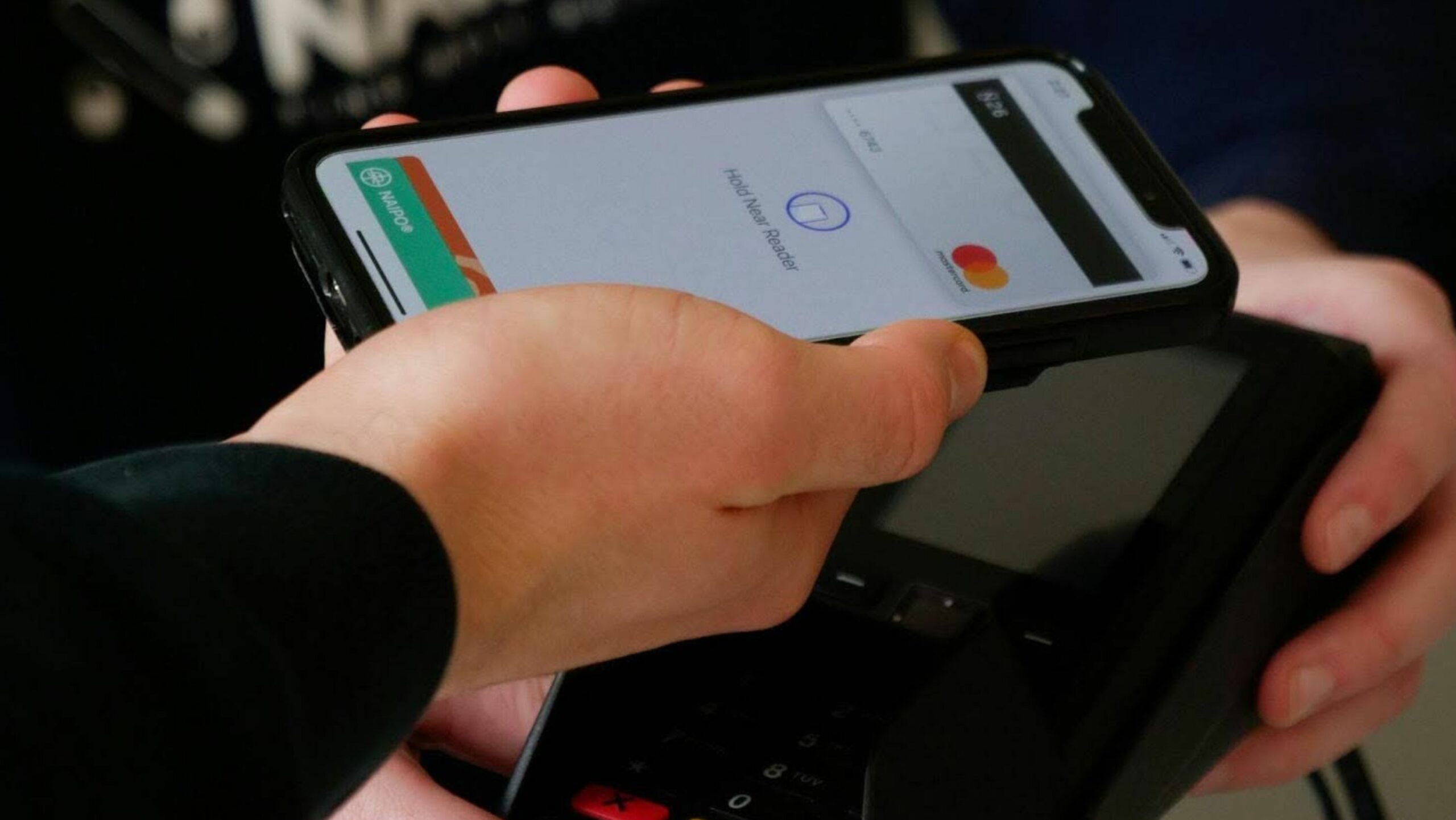
Wallets integrated into smartphone ecosystems have a major advantage: they are already in people’s pockets. Compatibility with contactless POS terminals, biometric security, and ease of use allow these solutions to dominate mobile payments. However, dependence on specific hardware platforms limits adoption in certain countries and banking systems.
National wallets and the European digital identity (EUDI Wallet)
The EU is pushing forward the concept of a unified digital identity. The EUDI Wallet could become a standardized tool for payments, digital signatures, access to public services, and identification. If implementation is rapid, it could reshape the European market hierarchy by providing a common foundation that commercial wallets will have to comply with.
Why can’t a single wallet win easily?
Europe is one of the most diverse payment markets in the world. Differences in habits, legislation, and banking infrastructure make complete dominance difficult, even for technology giants.
Cultural and legal fragmentation
In Germany, traditional methods prevail; in Nordic countries, mobile payments are the norm; and in Eastern Europe, fintech adoption is accelerating rapidly. Local regulations add an additional layer of complexity.
Different financial ecosystems
Competition between traditional banks, neobanks, and big tech influences wallet choice. Each region has its own leaders, which limits absolute dominance.
The role of e-commerce and instant payments
SEPA Instant, open banking, and the upcoming PSD3 are redefining the market, but not uniformly. Some countries adopt these standards quickly, others more slowly, affecting interoperability.
Possible scenarios for 2025: a single winner or coexistence?
In 2025, the European market could either see the consolidation of a leader or the continuation of a fragmented ecosystem. Revolut and Apple Pay are among the most widely adopted solutions across Europe, while the development of the EUDI Wallet could significantly influence the market’s direction through the standardization of digital identity.
At the same time, coexistence remains a realistic scenario. Local preferences, differing regulations, and the role of national wallets suggest that multiple solutions may remain relevant, each dominating its own segment or territory.
The verdict of the European market
Regardless of who gains ground in 2025, the decisive criteria will be trust, security, and seamless integration with European systems. The leader will be the wallet that successfully combines cross-border compatibility, compliance with strict regulations, data protection, and a frictionless user experience. The continent does not need only advanced technology, but a solution capable of functioning uniformly for everyone.