

Planning A Garden Layout: Master Your Green Space Like A Pro
Gardeners, whether seasoned pros or eager beginners, can all agree on one thing: a well-planned garden layout is the secret sauce to horticultural success. It’s like preparing a recipe, you wouldn’t toss in ingredients without a thought, right? So, let’s dig into how we can create a stunning garden layout that maximizes our space and creativity. Spoiler alert: With a little strategizing, we might just become the neighborhood garden gurus.
Understanding Your Space
Before we unleash our inner landscape artist, it’s paramount to understand our space. Think of it as the canvas, once we know its intricacies, we can paint a masterpiece.
Evaluating Sunlight and Shade
Setting aside time to evaluate sunlight, or lack thereof, is crucial. Watch your yard throughout the day and jot down the sun’s playful dance across it. Some plants thrive in direct sunlight, while others prefer a cozy spot in the shade. Knowing where the sun plays peekaboo can dramatically influence our choices.
Assessing Soil Quality
Next, let’s get our hands dirty. Literally. We need to assess our soil quality. A simple soil test can reveal its pH levels, nutrients, and texture. Armed with this knowledge, we can decide if our garden needs a boost of nutrients or a makeover with better soil, because even plants deserve the best.
Measuring Your Area
Once we’ve got the lay of the land, it’s time to measure our area. Yes, breaking out that old tape measure is essential. Suggestion: when measuring the space, don’t just consider the length and width: take note of any irregularities like trees or existing structures that might become part of our garden design. Sketching a rough diagram as we measure can also help visualize future elements.
Choosing the Right Garden Style
Now that we’ve assessed our space, let’s jump into choosing a garden style that resonates with us. After all, it’s our little oasis.
Traditional Garden Layouts
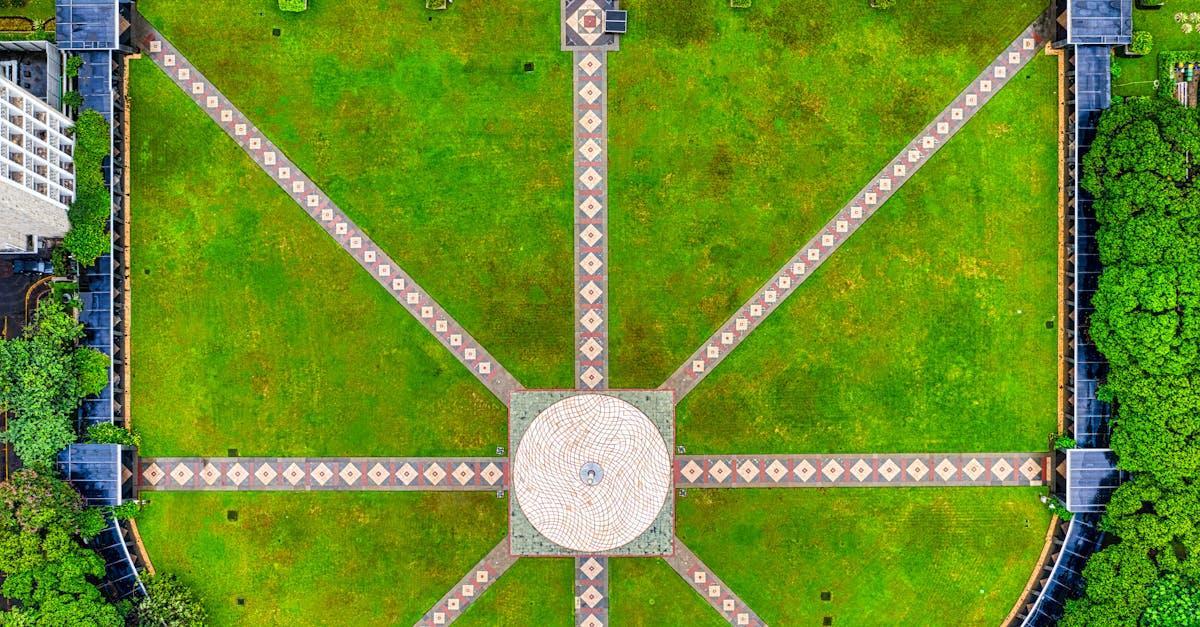
If we’re feeling nostalgic, traditional gardens offer a timeless appeal. Imagine neatly symmetrical flower beds bordered by cozy walking paths. This style favors orderly designs, with a mix of perennials and annuals to maintain blooms throughout the season. The classic flower garden is not only beautiful but invites a sense of calm and structure.
Contemporary Garden Designs
Alternatively, if we’re channeling our inner trendsetter, contemporary designs can make our garden really pop. These layouts focus on unique shapes, bold colors, and an artistic mix of plants. Think less symmetry, more freeform. Mixing various textures and plant sizes can create an eye-catching visual experience.
Incorporating Functional Features
Beyond aesthetics, incorporating functional features into our garden layout is paramount.
Paths and Walkways
Paths and walkways are the veins of any garden, leading us lovingly through our green paradise. When installing, we can consider a variety of materials, gravel, stepping stones, or even reclaimed wood. Let’s not forget to think about accessibility, so we can stroll freely while tending to our delightful plants.
Water Features and Irrigation
Water features, whether a pond, fountain, or simple birdbath, elevate a garden’s tranquility. Plus, effective irrigation is essential for healthy growth. Whether we install a drip irrigation system or traditional sprinklers, having the right setup ensures our plants get just the right amount of hydration.
Plant Selection and Arrangement
With the layout flourishing in our minds, we now come to the fun part, plant selection and arrangement.
Grouping Plants by Requirements
Let’s group plants based not just on appearance, but also on their watering and light needs. This method simplifies care and ensures every plant thrives. Creating zones for sun-loving plants and shade dwellers can prevent jealousy among our leafy friends.
Creating Layers and Heights
Layering plants and considering heights bring our garden to life. We can think in terms of verticality by placing taller plants at the back and smaller ones at the front. This not only remains visually appealing but also ensures that every plant gets its moment in the sun (or shade).