
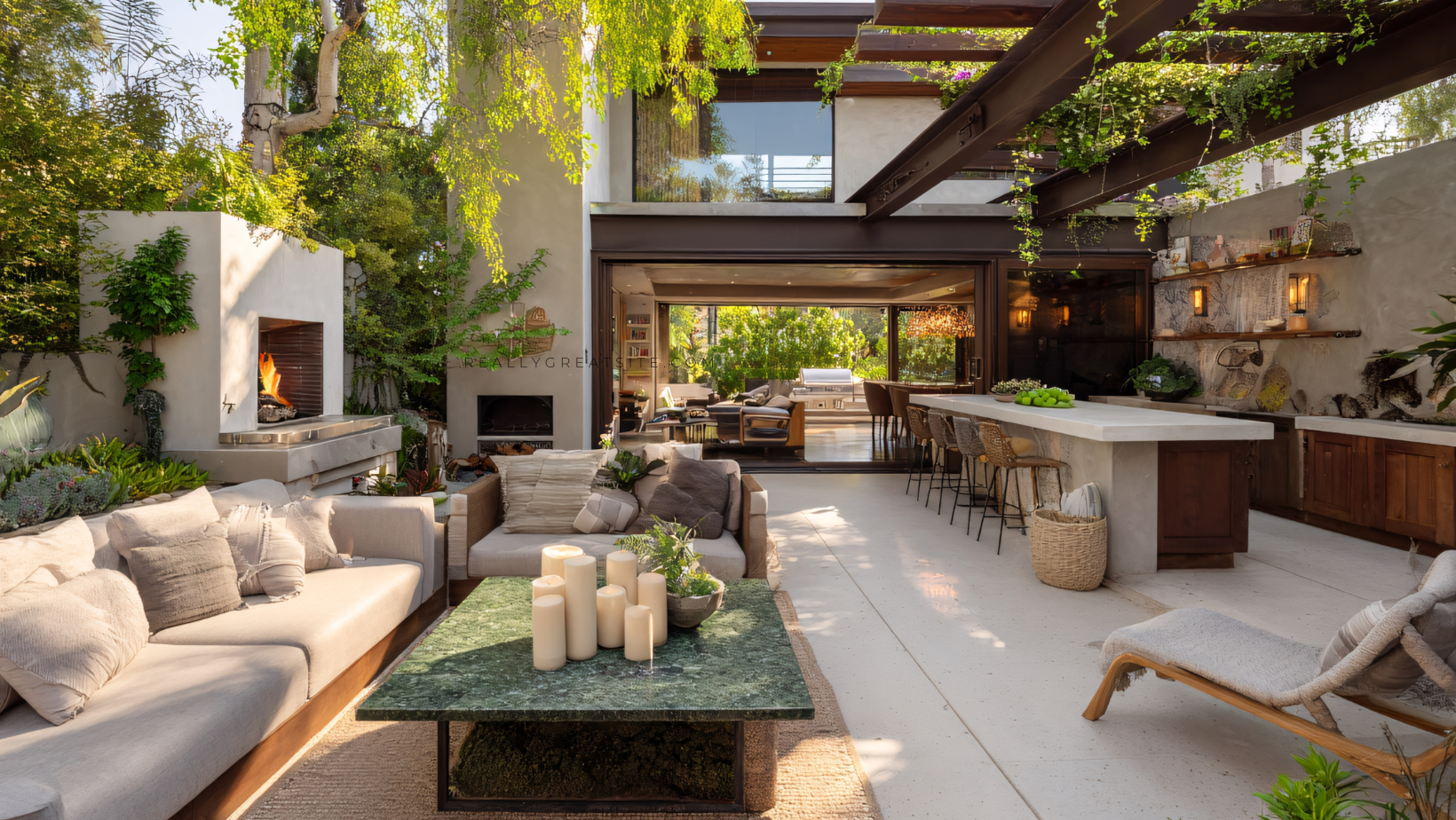
Outdoor spaces are usually designed with the best intentions — clean lines, stylish finishes, carefully chosen furniture. Then real life shows up. Muddy shoes. Spilled drinks. Pets, kids, weather, fallen leaves, shifting ground. Suddenly, the space that looked perfect on day one starts to feel fragile.
The problem isn’t that people misuse their outdoor areas. It’s that many spaces aren’t designed to handle being used. A well-designed outdoor space should look better with time, not worse. That comes down to choosing layouts and materials that don’t fight everyday life.
Why Some Outdoor Spaces Fall Apart Faster Than Others
Spaces that struggle after a year or two usually have one thing in common: they rely on perfection. Perfect alignment, smooth finishes, and uniform materials look impressive at first, but they leave no room for wear.
The moment something cracks, stains, or shifts, it stands out. That’s why experienced designers often lean toward materials that already include variation. Surfaces like Crazy Pave from GatherCo work well in lived-in spaces because they don’t pretend wear won’t happen — they quietly absorb it.
When a design assumes real life will happen, it ages more gracefully.
Start With How the Space Will Actually Be Used
Before thinking about style, it helps to be honest about behaviour. Outdoor spaces that look good long-term are designed around use, not aesthetics alone.
Ask practical questions early:
Will people walk through this area daily or occasionally?
Is it exposed to dirt, water, or fallen leaves?
Will furniture be moved often?
Are pets or kids using the space?
Design choices should support those realities. A dining area that’s hard to clean or a walkway that shows every footprint won’t stay enjoyable for long.
Choose Surfaces That Forgive Wear
Surfaces take the most punishment outdoors. They’re walked on, dragged across, and exposed to weather year-round. Choosing forgiving materials makes a bigger difference than most people realise.
Look for surfaces that:
Hide dirt rather than highlight it
Age evenly instead of patchily
Don’t rely on perfect alignment
Textured or irregular finishes naturally disguise small changes. Minor cracks, shifts, or stains blend in instead of standing out. This reduces both maintenance and visual stress.
Avoid Designs That Need Constant Upkeep to Look Good
Some materials look great — as long as you constantly maintain them. Sealing schedules, special cleaners, and regular touch-ups add effort that most people don’t want long-term.
Low-effort spaces often share these traits:
Minimal reliance on coatings or paint
Limited number of different surface types
Simple transitions between areas
The fewer specialised treatments a space needs, the easier it is to keep it looking good without thinking about it.
Let Texture Do the Work Instead of Décor
A common mistake is trying to add personality through décor alone. Cushions, pots, and accessories can help, but they’re also the first things to fade, break, or clutter a space.
When texture is built into the surfaces themselves, the space feels finished even with minimal extras. Subtle variation underfoot, along walls, or through pathways adds depth without creating maintenance.
This also makes the space more flexible. Furniture can change, seasons can shift, and the foundation still holds up visually.
Design for Mess Without Making It Look Messy
Real life is messy. Outdoor design should expect it.
Instead of trying to eliminate mess entirely, focus on containing it:
Clearly define walkways to control dirt movement
Use edges and borders to separate zones
Avoid flat areas where water pools
Spaces that guide movement naturally stay cleaner without constant effort. When mess has somewhere to go, it doesn’t dominate the design.
Balance Soft and Hard Elements Carefully
Plants bring life to outdoor spaces, but too many can quickly increase maintenance. The key is balance.
Practical planting choices include:
Fewer plants with more presence
Hardy varieties that don’t shed constantly
Defined garden edges to prevent overgrowth
Hard surfaces paired with intentional greenery feel structured yet relaxed. Neither overwhelms the other, and upkeep stays manageable.
Think About How Things Will Look in Five Years
It’s easy to imagine the first summer after installation. It’s harder — but more useful — to picture the space years down the line.
Ask yourself:
Will this look better or worse with age?
Will wear feel like character or damage?
Will changes be obvious or subtle?
Designs that pass this test tend to stay enjoyable long after trends fade.
Keep the Layout Flexible
Rigid layouts don’t adapt well to change. Outdoor spaces often evolve — new furniture, different uses, growing families.
Flexible layouts allow for:
Furniture rearrangement
New uses over time
Seasonal adjustments
When a space can change without feeling broken, it stays relevant.
Designing for Real Life Is the Real Upgrade
The most successful outdoor spaces aren’t the ones that look perfect in photos. They’re the ones that still look good after being used.
By choosing forgiving materials, practical layouts, and textures that age well, you create a space that doesn’t need constant attention to feel inviting. Real life will happen — and when the design welcomes it, the space only gets better with time.