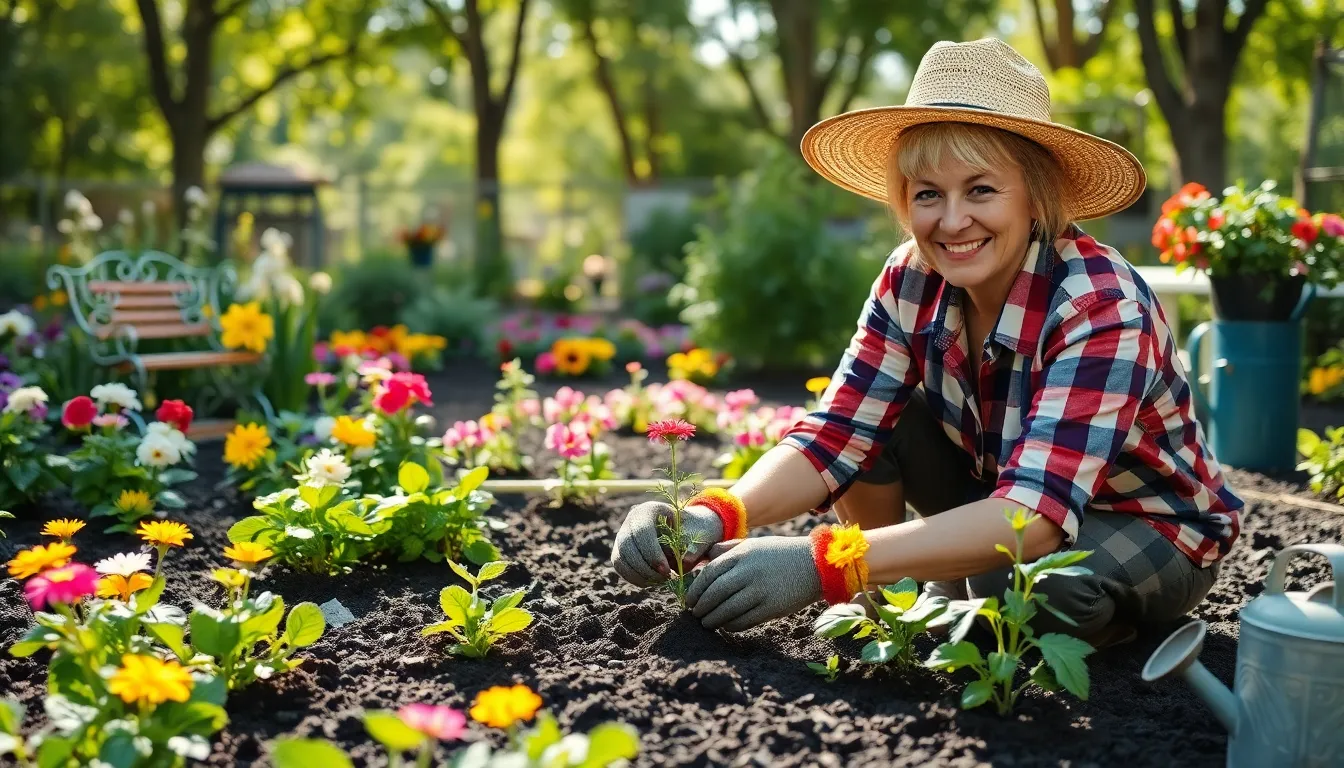
Gardening isn’t just about digging in the dirt; it’s an art form that can turn any backyard into a lush paradise. Whether you’re a seasoned green thumb or a newbie with a questionable track record of keeping houseplants alive, mastering the right gardening techniques can make all the difference. Imagine transforming your humble patch of earth into a vibrant oasis that even your neighbor’s cat would envy.
Gardening Techniques
Gardening techniques encompass various methods that help ensure plant health and aesthetic appeal. Understanding these techniques can significantly improve results for any gardener, regardless of experience level.
Soil Preparation plays a critical role in gardening success. Healthy soil contains essential nutrients, balanced pH levels, and good drainage. Testing soil conductivity helps determine what amendments may be necessary.
Plant Selection requires considering climate, sunlight, and soil type. Choosing native plants often results in less maintenance. Selecting plants with similar water and light needs simplifies care routines.
Watering Techniques impact plant growth. Drip irrigation systems efficiently deliver water directly to roots, reducing evaporation. Regular watering schedules based on seasonal needs optimize moisture levels.
Mulching retains soil moisture and suppresses weeds. Organic mulch, such as wood chips or straw, enriches soil as it breaks down. Applying a thick layer around plants creates a favorable microclimate.
Pruning enhances plant structure and encourages growth. Cutting dead or diseased branches prevents the spread of pests. Pruning at the right time boosts blooming in flowering plants.
Crop Rotation maintains soil health and reduces pest buildup. Changing the planting location of crops annually minimizes nutrient depletion in the soil. This technique also helps break disease cycles.
Companion Planting strategically pairs plants to enhance growth. Certain plants repel pests or encourage pollinators, benefiting the surrounding garden ecosystem. These careful selections contribute to sustainable practices.
Employing these gardening techniques can lead to a thriving and attractive garden. Each method complements the others, creating a harmonious environment that reflects a gardener’s dedication and creativity.
Soil Preparation
Soil preparation serves as a vital first step in gardening, enhancing plant growth and health through proper nutrient management and moisture control.
Testing Soil pH
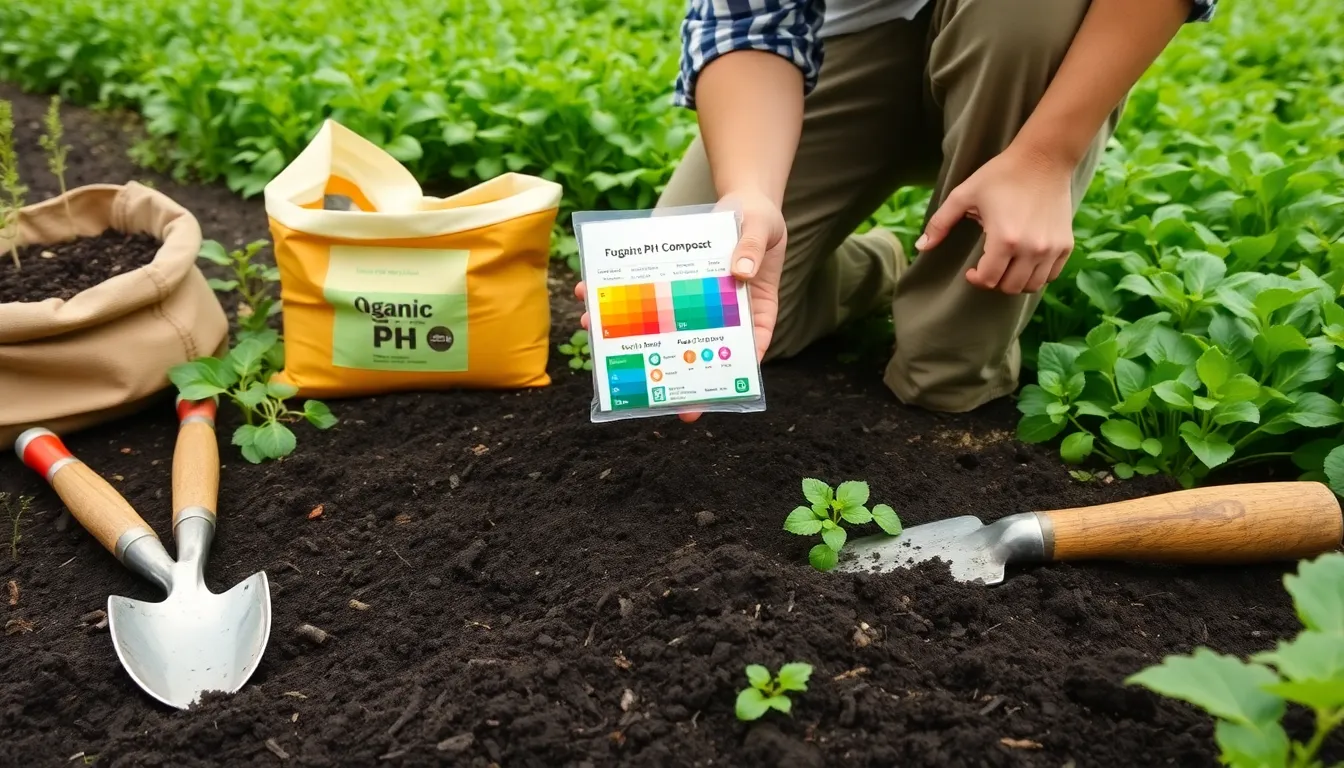
Testing soil pH determines the acidity or alkalinity of the soil, which influences nutrient availability. A pH level between 6.0 and 7.0 typically supports most plants. To test, gardeners can use at-home kits or send samples to laboratories for accurate analysis. If soil pH falls outside the ideal range, adjustments can be made with additives, such as lime to raise pH or sulfur to lower it. Regular testing ensures ongoing nutrient accessibility and aids in selecting suitable plants for specific soil conditions.
Enhancing Soil Fertility
Enhancing soil fertility involves adding organic matter, such as compost or well-rotted manure, to enrich nutrient levels. These amendments improve soil structure and facilitate water retention. Incorporating cover crops, like clover or rye, contributes nitrogen and prevents erosion. Regular mulching also helps maintain moisture and suppress weeds, further bolstering soil nutrients. Such practices promote a balanced ecosystem, fostering vigorous plant growth and ensuring a sustainable gardening practice.
Planting Methods
Gardening techniques include various planting methods that cater to different plant types and growth conditions. Understanding these methods aids in optimizing plant health and maximizing yields.
Direct Seeding
Direct seeding involves planting seeds directly into the soil where they will grow. This method suits crops like carrots and beans that thrive in their natural environment. Soil preparation plays a crucial role, ensuring the area is loose and free of debris, which enhances seed-to-soil contact. A depth of 1 to 2 inches typically works for most seeds, but checking specific seed requirements is necessary. Timing matters too; planting at the right season ensures optimal germination. Gardeners often benefit from mulching after seeding, as this helps retain moisture and suppress weeds.
Transplanting Seedlings
Transplanting seedlings requires starting plants in a controlled environment before transferring them to larger spaces. Timing remains vital; seedlings should have two to three sets of true leaves before moving them outdoors. Careful handling prevents damage to the fragile root system. Ideally, transplanting during cool mornings or overcast days minimizes stress on the plants. Spacing is critical; placing seedlings at proper distances encourages airflow and reduces competition. After transplanting, providing adequate water helps the seedlings acclimatize and promotes strong root growth.
Maintenance Practices
Maintaining a garden requires consistent effort and best practices to ensure healthy plants and vibrant aesthetics. Two essential components include effective watering techniques and strategic fertilization.
Watering Techniques
Effective watering methods greatly influence plant vitality. Drip irrigation systems deliver water directly to the roots, minimizing waste and evaporation. Sprinkler systems distribute water evenly over larger areas, making them suitable for lawns and flower beds. Hand watering allows gardeners to personalize their approach, responding to specific plant needs. Time-of-day matters; watering early morning or late afternoon reduces evaporation rates. Assessing soil moisture levels helps determine when to water, promoting deeper root growth.
Fertilization Strategies
Strategic fertilization supports plant development by enhancing nutrient availability. Organic fertilizers, such as compost and well-rotted manure, improve soil structure and fertility. Chemical fertilizers provide specific nutrient ratios, aiding in rapid plant growth. Soil testing identifies nutrient deficiencies, guiding gardeners on the best fertilizers to use. Applying fertilizers in moderation prevents nutrient burn and environmental impacts. Timing of application aligns with the growth cycle, ensuring maximum benefits for plants.
Pest Management
Pest management is crucial for maintaining a healthy garden. Without proper control, pests can damage plants and reduce yields.
Organic Pest Control
Organic pest control methods emphasize the use of natural substances to deter harmful insects. Solutions include introducing beneficial insects like ladybugs, which feast on aphids. Additionally, neem oil works effectively against a variety of pests while remaining safe for beneficial insects. Companion planting provides a natural deterrent; plants like marigolds repel nematodes and other harmful species. Homemade sprays, such as soap solutions, serve as another option to target pests directly. These organic strategies promote ecological balance while protecting plants.
Integrated Pest Management
Integrated pest management (IPM) combines various strategies for effective pest control. This approach starts with regular monitoring of pest populations and plant health. Following that, gardeners can apply cultural practices like crop rotation to disrupt pest life cycles. Mechanical controls, such as traps and barriers, significantly reduce pest numbers without chemicals. Chemical applications are used only as a last resort, targeting specific pests to minimize harm to beneficial species. Such a balanced methodology fosters a sustainable garden ecosystem while effectively managing pest problems.
Conclusion
Gardening techniques play a crucial role in transforming any outdoor space into a flourishing sanctuary. By mastering these methods, gardeners can cultivate vibrant landscapes that not only enhance their property but also contribute to environmental health.
Implementing practices like soil testing, strategic watering, and organic pest management ensures that plants thrive while minimizing the ecological footprint. With dedication and creativity, anyone can create a garden that’s not just beautiful but also sustainable.
As they explore and experiment with different techniques, gardeners will discover their unique style, leading to a rewarding and enriching experience.